History

Timeline of Our History

1957
Discovery of the Kimberlite Pipes

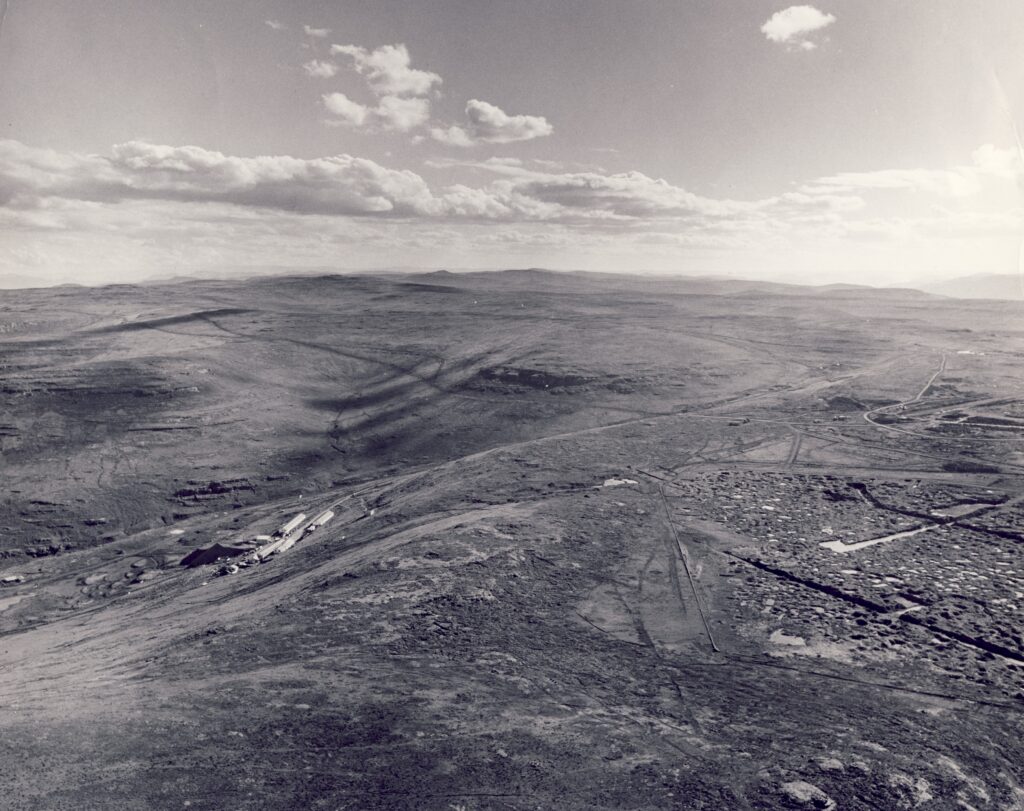
Geologist Peter Nixon identified the Letšeng-la-Terae Main and Satellite Kimberlite Pipes while surveying the remote Maluti mountains.

1959-1967
Artisanal Mining Era

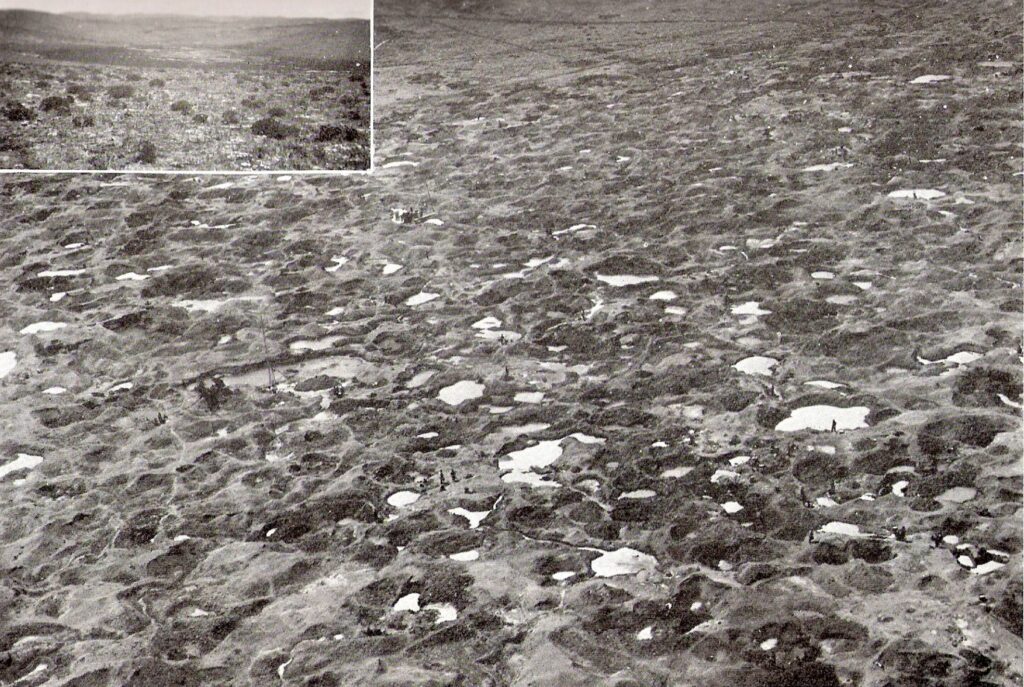
The deposit was declared a government digging site. By 1967 up to 6,000 local artisanal miners were working the ground.

Landmark recovery

An estimated 63,000 carats were produced — including the famous 601-carat Lesotho Brown diamond.

1968
Rio Tinto Exploration License

Rio Tinto Exploration (Pty) Ltd was awarded the license to delineate the resource and conduct a feasibility study for a full-scale mine. The Government of Lesotho subsequently commissioned De Beers to re-evaluate the kimberlites using Rio Tinto's data.

1976-1977
Mine Commissioned & Opened

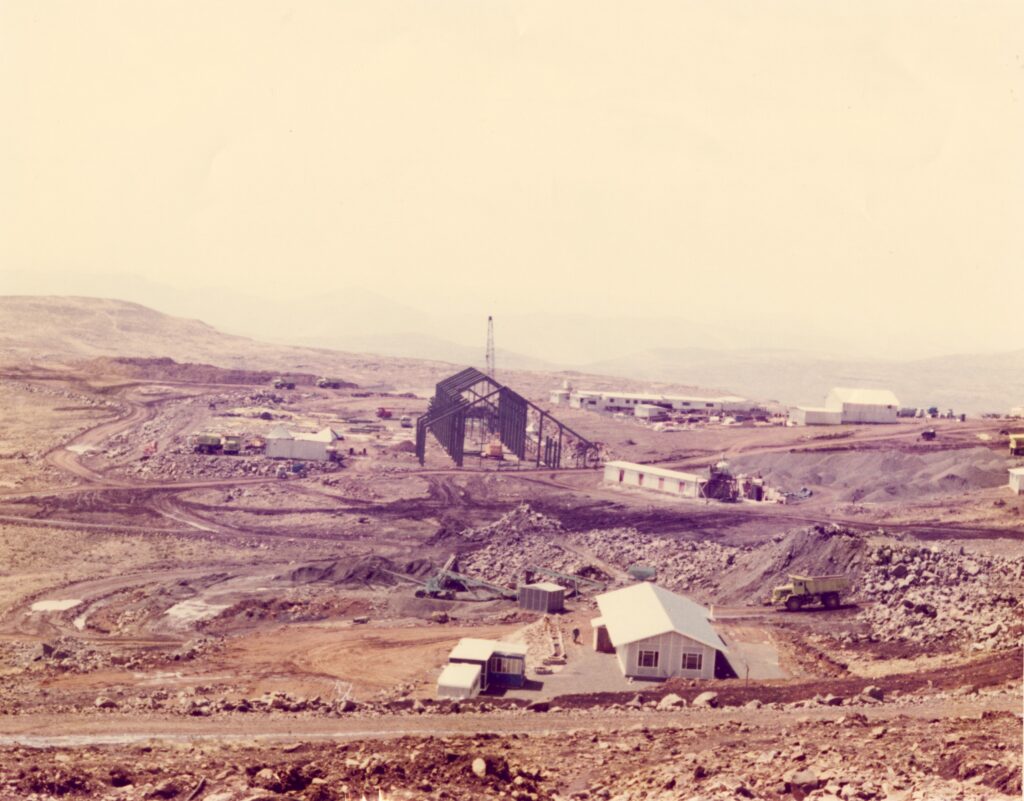
An agreement to build the mine was signed in December 1976. The mine officially opened in November 1977 with an expected life of 8 years.

1982
Closure

The mine closed after only 5 years following a slump in global diamond prices and a royalty disagreement with the Government.

Production total

272,840 carats recovered from 9.4 million tonnes of kimberlite — principally from the Main Pipe.

1995-1999
Letšeng Diamonds (Pty) Ltd Incorporated

The company was incorporated in Lesotho in 1995 as a partnership — industry investors holding 76% and the Lesotho Government 24%. Mining rights were acquired in 1999.

2003-2004
Infrastructure Rebuilt, Production Resumes

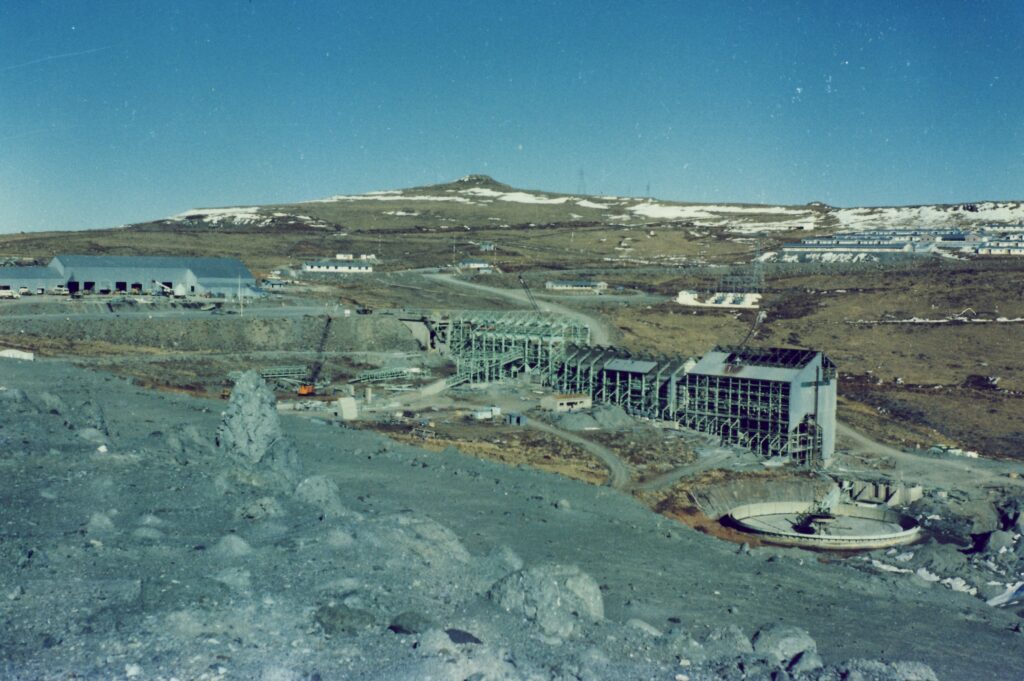
Reconstruction of mine infrastructure began in 2003. Alluvial production from the Qaqa River (Satellite Pipe) and Patising River (Main Pipe) deposits commenced in November 2003. The Satellite Pipe resumed full production in March 2004.

2006
Mine Commissioned & Opened

Gem Diamonds Acquires Majority Stake

Gem Diamonds Limited purchased the 76% interest held by Letšeng Investment Holdings (Pty) Ltd. Following the transaction, 6% of issued share capital was transferred to the Lesotho Government.
Altitude
0 m
carats - 1959-67
0
carats - 1977-82
0