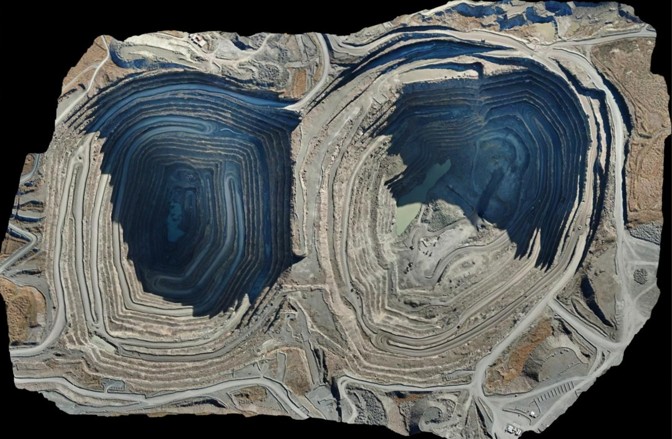
The two kimberlite pipes are developed through conventional open-pit mining methods, utilizing a split-shell design to optimize waste stripping, improve ore recovery, and enhance cash flow efficiency. This phased approach allows for more effective resource utilization and cost management throughout the mine’s life cycle.
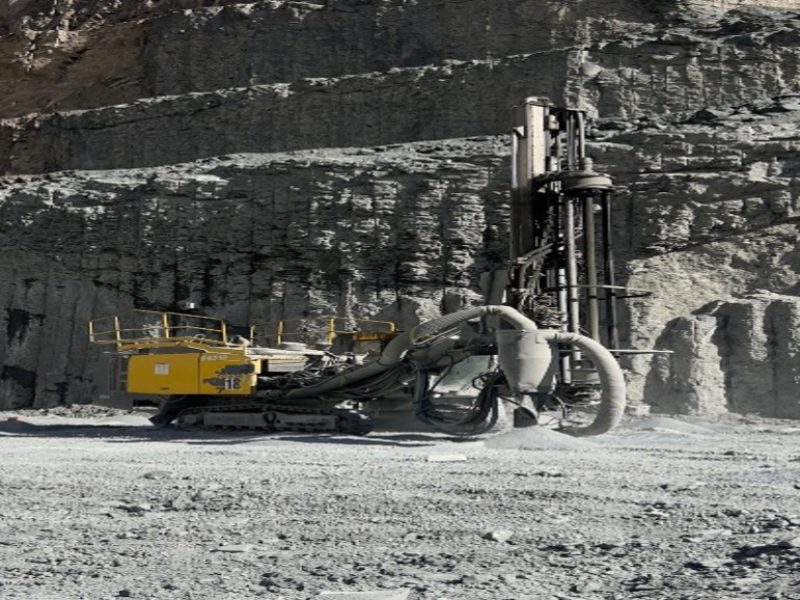
All mining activities, excluding Pit dewatering, are conducted in-house to maintain operational control, ensure safety compliance, and uphold production quality standards. Drilling operations are performed using Epiroc D65s drill rigs, known for their reliability and precision in demanding conditions.
Data-Driven Optimization
Kimberlite Bench Height 14m
The Mining Department safely extracts ore from one of the world’s highest-value kimberlite deposits while maintaining a strong focus on safety, operational excellence, and sustainable mining practices. Through the use of data-driven analysis, the department continuously improves productivity, equipment performance, operational efficiency, and value recovery.
Drilling and Blasting
Mining is conducted on 14 m bench heights. Drilling activities are carried out using a fleet of Epiroc FlexiROC D65 drill rigs and SmartROC D65 drill rigs. Drill diameters of 127 mm are used for ore, buffer, and presplit holes, while 165 mm diameter holes are utilized for waste blocks to achieve the required fragmentation and digging performance.
Blasting operations are conducted by the blasting team, with Enaex Africa supplying bulk explosives and accessories. O-Pit Surface is utilized as the blast design software, enabling the development of optimized drill and blast patterns, calculation of explosive requirements, and modelling of blast outcomes. WipFrag is employed for fragmentation analysis to assess blast performance and measure rock fragmentation results.

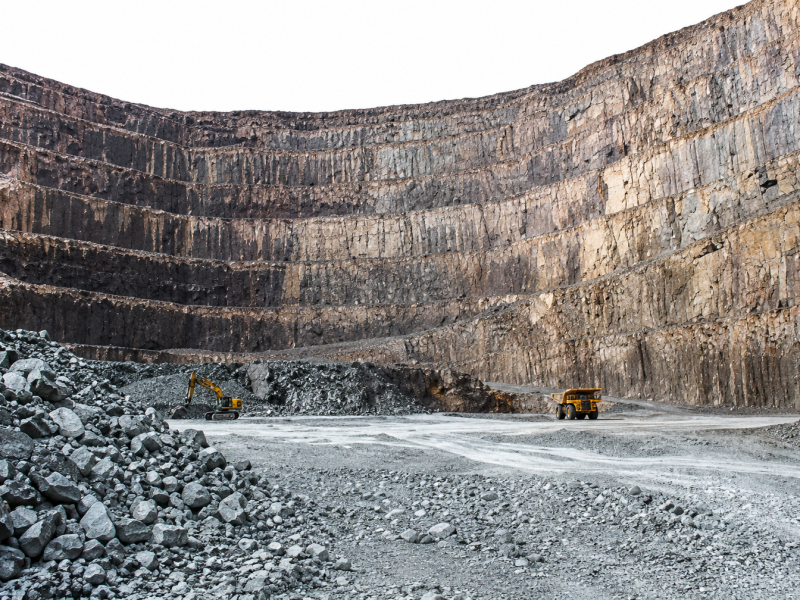
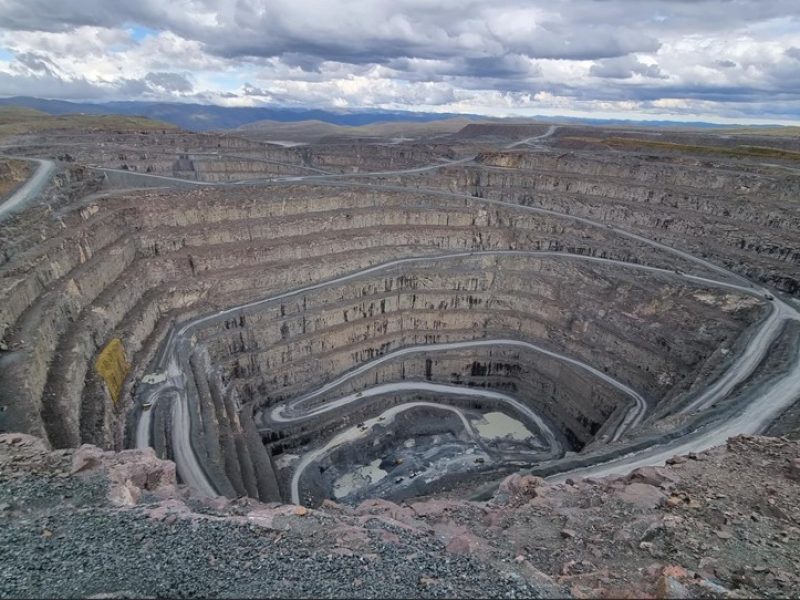
Through detailed post-blast analysis, the effectiveness of each blast is evaluated, opportunities for improvement are identified, and blasting practices are continuously refined to achieve optimal downstream processing and excavation efficiency. Final wall blasting is carried out using carefully controlled charging techniques with packaged explosives to achieve a smooth and stable final wall. Trim block blasting methods are incorporated to minimize over break, reduce damage to the remaining rock mass, and maintain the integrity of the final pit walls. The use of trim blocks and precision charging practices helps preserve the designed berm geometry and retention, contributing to long-term slope stability, improved safety, and compliance with mine design specifications.
Loading and Hauling
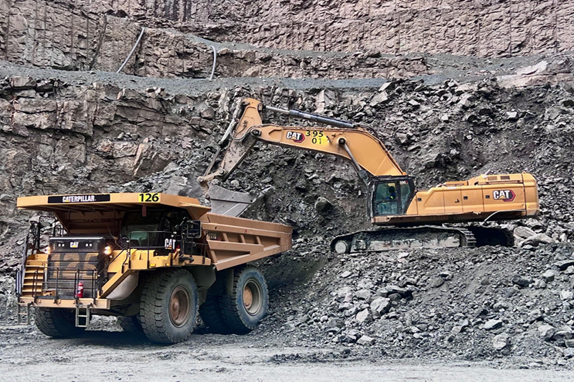
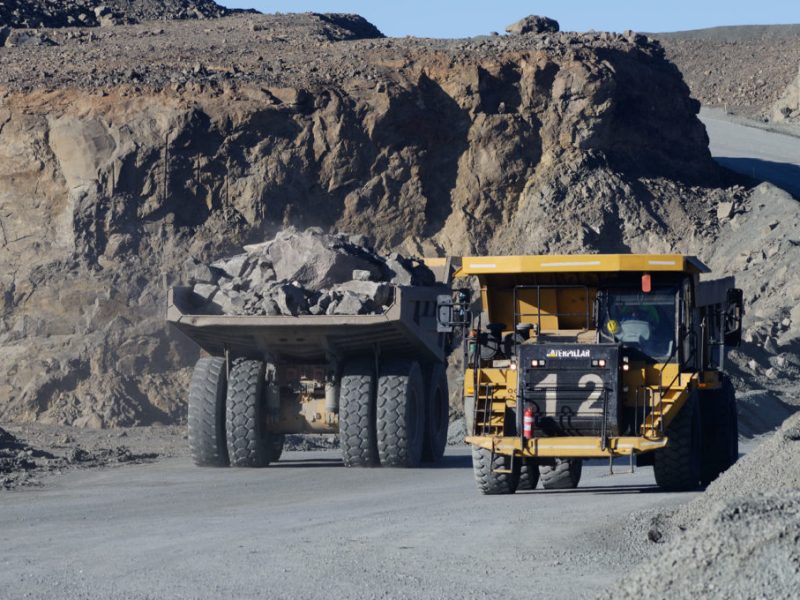
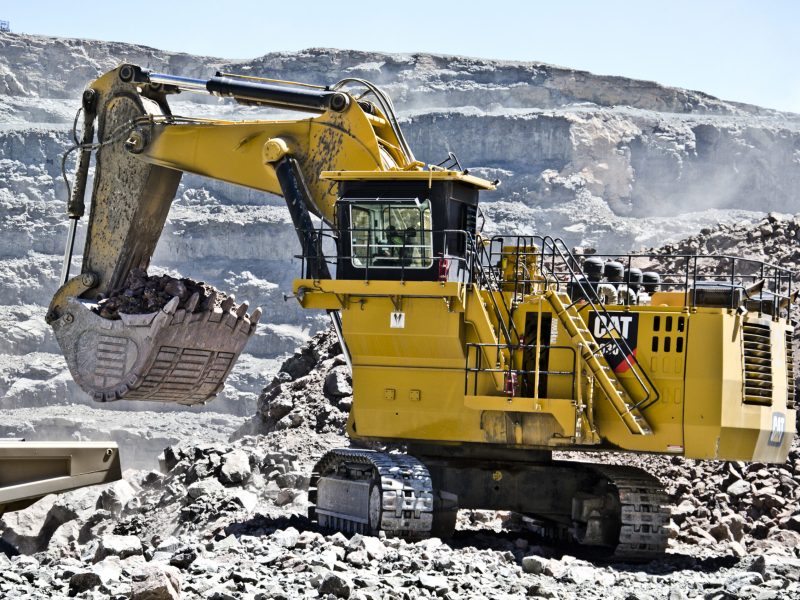
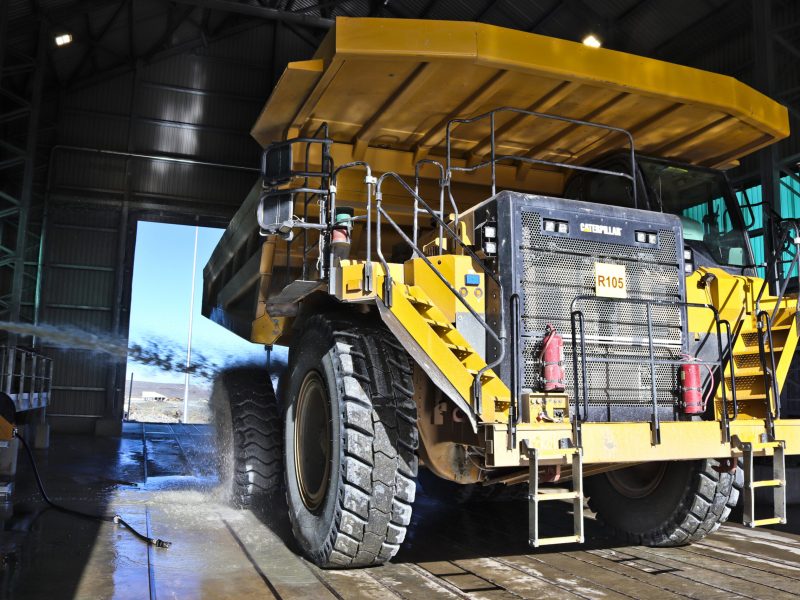
The primary load and haul fleet consists of CAT 777 rigid dump trucks, CAT 773 rigid dump trucks, CAT 745 articulated dump trucks, CAT 6015 excavators, CAT 395 excavators, and CAT 340 excavators. These are supported by a range of auxiliary equipment, including TLBs, graders, stemming tools, and other support machinery essential to the mining operations. Material is hauled to designated destinations such as waste dumps, strategic stockpiles, live stockpiles, and front-end tipping areas. Front-end loaders are deployed at live stockpiles to support efficient material rehandling and effective stockpile management. Equipment reliability is supported through close collaboration with the EMV Workshop, which conducts preventative maintenance, repairs, and timely breakdown response to maximize fleet availability and operational performance.